

DISHWASHING SUPPORT FOR COMMERCIAL KITCHENS
DISHWASH CLEANING
Busy commercial kitchens need an organised wash-up process so used dishware, trays and utensils can move through the cleaning area without disrupting food preparation or service. City Cleaning provides dishwash cleaning support in Singapore based on an agreed task list, schedule and kitchen handover procedure.
The service is planned around the type and volume of items, the available washing equipment, the layout of the wash-up area and the client’s operating procedures. Before work begins, the client and cleaning team confirm the included tasks, approved products, handling requirements and responsibility for equipment.
A scope agreed for your site. Every kitchen operates differently. The final service follows the client’s approved procedures, equipment instructions, item-handling requirements and site safety rules.
Commercial Dishwashing Support
Depending on the agreed arrangement, the service may include:
- Sorting and preparing used dishware, trays and utensils for washing
- Loading and unloading the client’s dishwashing equipment where authorised
- Manual washing of agreed items that are suitable for the approved method
- Drying, arranging or returning cleaned items to designated locations
- Keeping the immediate wash-up area orderly during the service
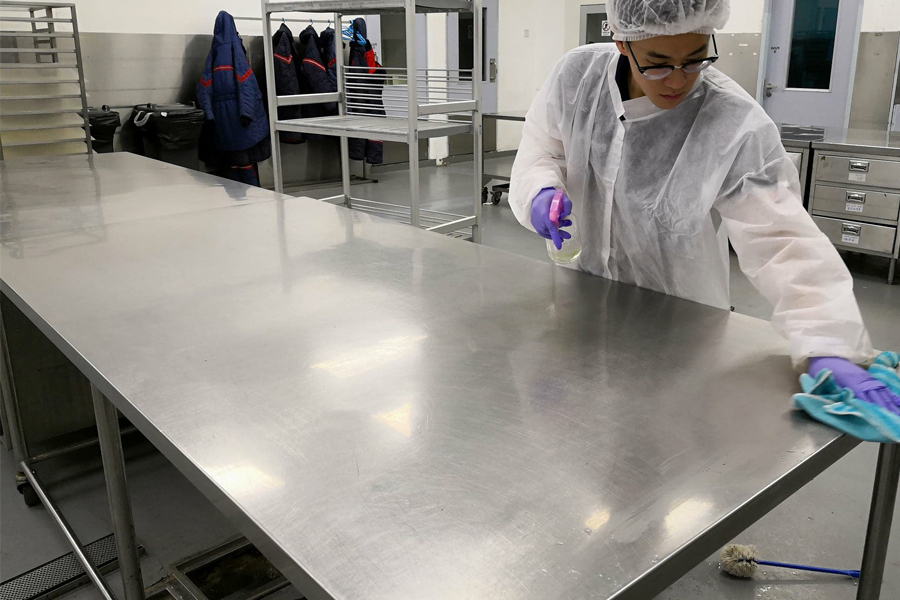
- Wiping agreed accessible surfaces associated with the dishwashing station
- End-of-shift handover based on the client’s checklist
Setting Up a Practical Wash-Up Routine
- Kitchen review: We review the wash-up area, item flow, equipment, utilities and access conditions.
- Handling instructions: The client identifies item categories, approved methods and any items requiring separate handling.
- Schedule and volume: Service times are aligned with operating hours, expected volumes and the available cleaning window.
- Handover process: The location for cleaned items and the end-of-shift checks are agreed before the service starts.

Working Within the Kitchen’s Procedures
The kitchen remains responsible for its food-safety programme, equipment maintenance and authorised operating procedures. Dishwash cleaning support should fit into those controls rather than replace them. The client should provide current instructions for machine use, chemical handling, item separation and any restricted equipment.
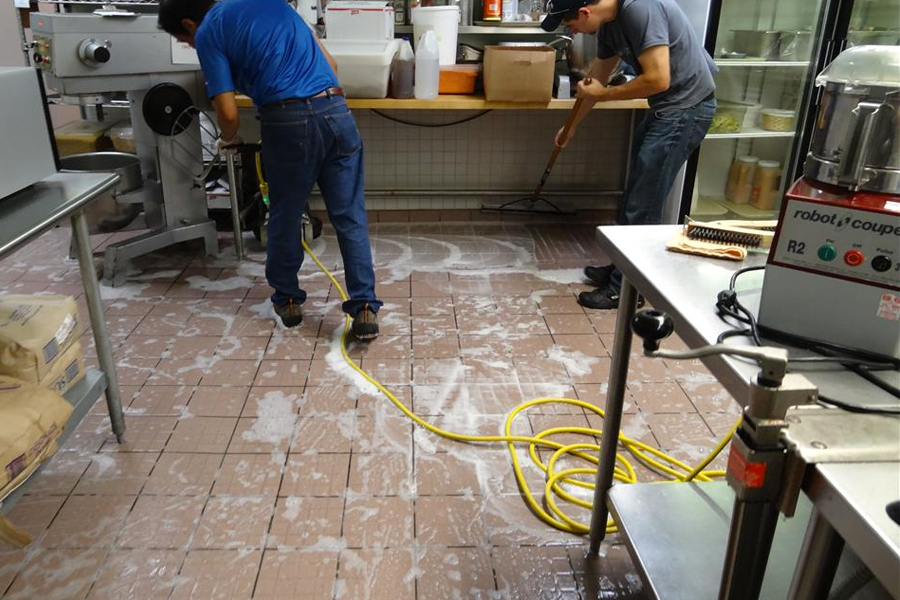
Where a kitchen also needs broader cleaning, tasks such as floors, preparation surfaces, exhaust systems or deep cleaning should be discussed separately. Keeping these services distinct makes the dishwashing task list easier to supervise and prevents assumptions about specialist work.
Related Cleaning Services
For wider premises support, see our kitchen cleaning, commercial cleaning and hotel housekeeping services.
Organising Commercial Dishwashing in Singapore
Commercial dishwashing sits inside a food business’s operating system. In Singapore, the operator remains responsible for its food-safety controls, approved chemicals, machine instructions, separation of items and hygienic workflow. A support service should therefore document exactly where used items are received, how they move through washing and drying, and where cleaned items are handed back without crossing dirty and clean flows.
What to Confirm Before the Service Starts
- Site and scope: Review the wash-up layout, machine capacity, sinks, racks, drainage, ventilation and storage points. Record which utensils, trays or wares are included and identify sharp, fragile, heavy or specially finished items requiring separate handling.
- Timing and access: Estimate volume by service period rather than using one daily average. Agree staffing and handover for peaks, closing time and exceptional functions, including the procedure when the machine is unavailable or the expected volume is exceeded.
- Methods and exclusions: Follow the operator’s approved dosing, temperature, loading and manual-washing instructions. Machine maintenance, kitchen equipment cleaning, grease systems and food-contact sanitation outside the wash-up scope must remain separately assigned.
- Handover and reporting: Define the standard for sorted, dried and returned items, the location for rejects or breakages and the end-of-shift checklist. The client should state who can change priorities or authorise an extension when operations run late.
Local Coordination and Responsibilities
The cleaning team needs current kitchen rules, safe access and clear responsibility for consumables and equipment faults. General cleaning and dishwashing can be coordinated, but their task lists should remain distinct so neither is assumed to cover the other. Supervisors should record repeated bottlenecks, damaged racks or workflow conflicts for the operator to address. Any change to chemicals, equipment or item types should be reviewed before the next shift.
A useful quotation should separate measurable tasks from broad expectations. State whether consumables, water, power, storage space, access equipment and waste removal are supplied by the client or provider. Note surfaces or items that require approval before treatment, and define what happens when an area is occupied, locked or unsafe to enter. This level of detail helps both parties compare the proposed service with the actual conditions on site.
Singapore premises can also change quickly through tenancy works, event activity, peak trading periods or revised building controls. Before each material change, confirm that the task list, access plan and contact details are still current. Photos or a joint walkthrough can help document the starting condition, but they should be handled according to the client’s privacy and security rules. Temporary instructions should be recorded with an expiry or review point.
For authoritative local reference, review SFA’s guidance for licensed food retail premises and NEA’s Cleaning Business Licence FAQ. These agency resources provide current context for service buyers and duty holders; they do not replace site-specific professional or regulatory advice.
During quotation, provide accurate information about the property, operating pattern and known constraints. The final proposal should state the areas, frequencies, assumptions, exclusions and client-provided facilities in plain language. If the site, materials or working conditions differ from the original brief, the safest course is to pause and agree the change before additional work proceeds.
Frequently Asked Questions
What can commercial dishwashing support include? | It may include sorting, loading or manual washing of agreed items, drying, returning cleaned items and an end-of-shift handover. |
Can cleaners operate the client’s dishwasher? | Only when the client authorises it and provides current machine, chemical, loading and safety instructions. |
Is broader kitchen cleaning included with dishwashing? | No. Floors, equipment, exhaust systems and other kitchen cleaning tasks should be scoped and agreed separately. |
Who remains responsible for food-safety procedures? | The food-business operator remains responsible for its food-safety programme, approved procedures, equipment and premises controls. |
How is the service planned for busy periods? | Expected item types, volume, service peaks, wash-up flow and the available closing or handover window should be reviewed before scheduling. |